
Easy Homemade Orange Curd Recipe
Easy Homemade Orange Curd Recipe
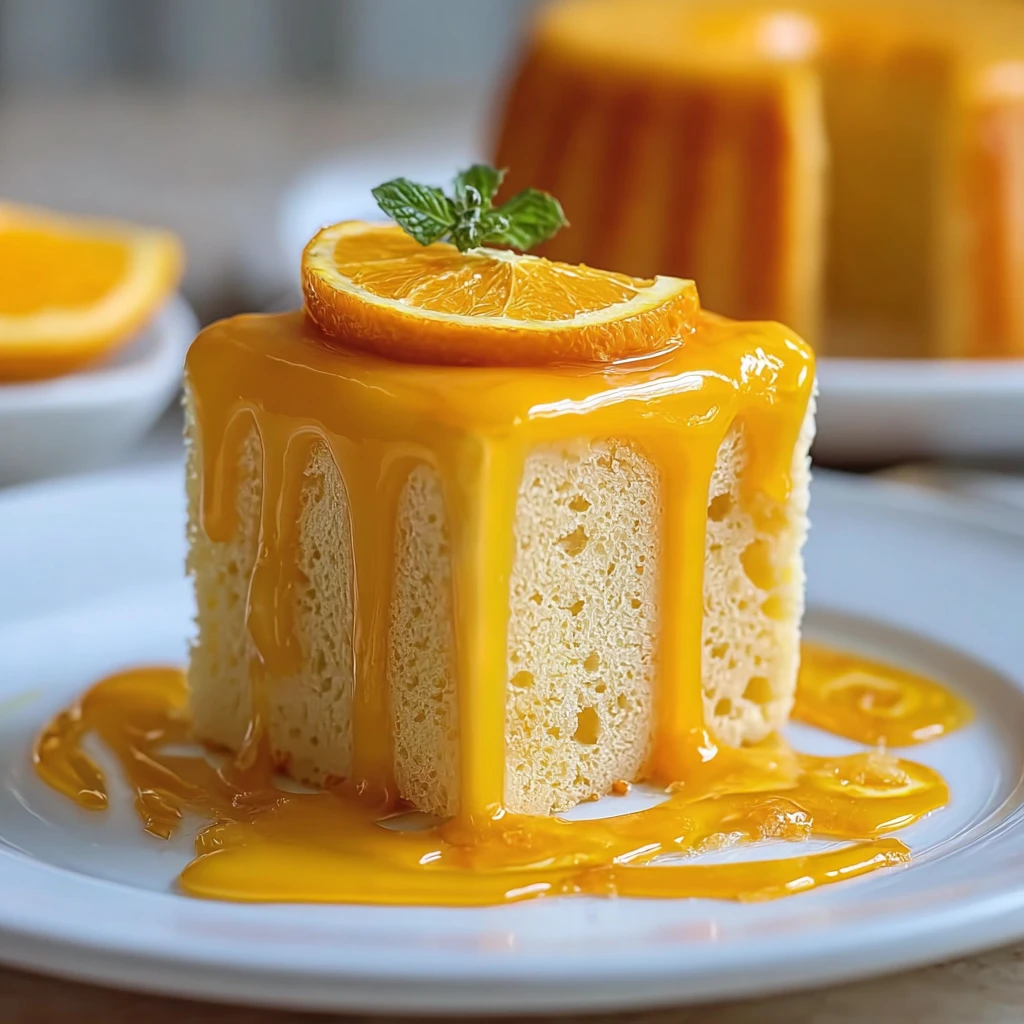
This homemade orange curd is bright, buttery, and ready in under 20 minutes. It’s made with just 6 ingredients — fresh orange juice, zest, eggs, butter, and sugar — and it’s smoother and more flavorful than anything you’ll find in a jar. Spread it on toast, fill a tart, swirl it into yogurt, or layer it into a cake.
Why You’ll Love This Orange Curd
- 6 ingredients — all pantry staples
- Under 20 minutes on the stovetop
- Silky smooth texture — no graininess, no curdling
- Multiple uses — cakes, tarts, toast, crepes, yogurt bowls
Ingredients
- 3 large eggs + 2 egg yolks
- ¾ cup (150g) granulated sugar
- ½ cup (120ml) fresh orange juice (about 2 large oranges)
- 1 tbsp orange zest (packed)
- ¼ cup (55g) unsalted butter, cut into cubes
- Pinch of salt
How to Make Orange Curd Without a Double Boiler
Step 1 — Whisk eggs and sugar. In a medium heavy-bottomed saucepan (not a double boiler needed), whisk together eggs, egg yolks, sugar, orange juice, orange zest, and salt until smooth and combined.
Step 2 — Cook over medium-low heat. Place the pan over medium-low heat. Stir constantly with a wooden spoon or silicone spatula, scraping the bottom and sides. Cook for 8–12 minutes until the curd thickens enough to coat the back of a spoon. It should read 160°F (71°C) on a thermometer if you want to be precise.
Step 3 — Add butter. Remove from heat. Add butter cubes one at a time, stirring each in fully before adding the next. The curd will become glossy and even thicker.
Step 4 — Strain and cool. Pour through a fine-mesh strainer into a clean jar or bowl to remove any cooked egg bits. Press plastic wrap directly on the surface (prevents a skin forming). Refrigerate at least 2 hours before using.
Tips for Perfect Orange Curd
- Never use a high heat — eggs scramble fast. Medium-low is the key
- Use fresh juice — bottled orange juice is too weak and too sweet
- Zest before juicing — it’s much easier
- Don’t skip straining — even well-made curd benefits from it for a silky texture
- It thickens as it cools — don’t overcook expecting a jam-thick consistency on the stove
How to Use Orange Curd
- Spread on scones, toast, or English muffins
- Fill mini tart shells or a full tart crust
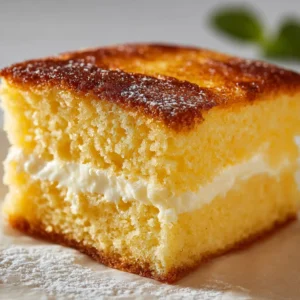
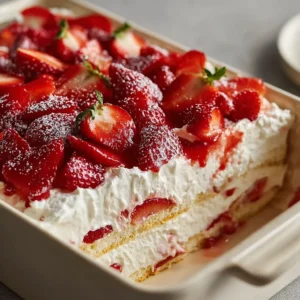
- Layer between cake layers (pairs beautifully with vanilla or almond cake)
- Swirl into cheesecake before baking
- Stir into Greek yogurt for a quick dessert
- Fill crepes or Dutch baby pancakes
Storage
Store in an airtight jar in the refrigerator for up to 2 weeks. Orange curd does not freeze well — the texture separates when thawed. Make a fresh batch when needed — it comes together so quickly it’s worth it.
Frequently Asked Questions
Can I make orange curd without eggs?
Eggs are what thickens curd, so a direct substitute is tricky. Some recipes use cornstarch-thickened fruit sauce as a vegan alternative, but it won’t have the same silky richness. For an egg-free version, look for vegan lemon curd recipes and adapt with orange juice.
Can I use bottled orange juice for orange curd?
Technically yes, but the result is noticeably duller in flavor. Fresh-squeezed juice gives a brighter, more vibrant taste. If using store-bought, choose a 100% pure juice with no added sugar.
Why did my orange curd curdle?
Curdling happens when the heat is too high, scrambling the eggs. To fix it: immediately remove from heat and strain through a fine-mesh sieve — often the curd is still usable. Next time, keep the heat on medium-low and stir constantly.
Can I make orange curd in the microwave?
Yes — combine all ingredients in a microwave-safe bowl. Microwave in 30-second bursts, whisking between each, for 3–4 minutes total until thickened. It works but the stovetop method gives more control.
How do I know when orange curd is done?
The curd is ready when it coats the back of a spoon and your finger drawn across it leaves a clean line. It will be 160°F (71°C) if you use a thermometer. It will thicken further as it cools — don’t overcook.
Can I make orange curd without butter?
You can reduce the butter slightly, but some fat is needed for the silky texture and gloss. Coconut oil works as a dairy-free substitute — use the same quantity of refined (neutral-flavor) coconut oil.
How long does homemade orange curd last?
Up to 2 weeks refrigerated in a sealed jar. The surface should be covered with plastic wrap pressed directly against it. Discard if it smells off or shows any mold.
Can I use blood oranges for this recipe?
Yes — blood orange curd is stunning both in color (deep pink-red) and flavor (more berry-forward). Use the same quantities. Navel oranges, Cara Cara, or even mandarins also work with this recipe.
Can I make orange curd for tarts?
Absolutely. Fill fully baked and cooled tart shells with the curd, then refrigerate for at least 2 hours to set. Top with fresh berries, whipped cream, or candied orange slices for presentation.
Is orange curd the same as orange jam?
No — orange curd is egg and butter based, giving it a creamy, custard-like texture. Orange jam (or marmalade) is a fruit preserve made with sugar and pectin. Curd is richer, silkier, and less sweet.

Orange Curd
Orange Curd is a versatile and vibrant spread with tangy sweetness and a velvety texture, perfect for breakfast toast, scones, cakes, or as a tart filling. This homemade delight is easy to make and a healthier alternative to store-bought spreads.
Ingredients
- 1 cup fresh orange juice
- Zest of 2 oranges
- 1 cup sugar
- 4 eggs
- 1/2 cup unsalted butter
- Pinch of salt
Directions
- In a heatproof bowl, whisk together eggs and sugar until well combined.
- Add orange juice, zest, and salt to the egg mixture and whisk until smooth.
- Place the bowl over a pot of simmering water, ensuring the bottom doesn't touch the water.
- Cook the mixture, stirring constantly, until thickened to a custard-like consistency.
- Remove the bowl from heat and stir in the butter until melted and incorporated.
- Strain the curd to remove any cooked egg bits and zest pieces.
- Allow the Orange Curd to cool before transferring to a clean jar for storage.